The insurance industry can benefit from blockchain technology
The insurance industry can benefit from blockchain technology in a number of ways. For example, it can help to speed up the process of verifying an insurance claim and tracking the progress of a claim. It can also help to reduce the cost of insurance premiums by automating the process of verifying and tracking insurance claims.
How blockchain technology can help the insurance industry
Insurers are always looking for ways to improve their business practices and reduce costs. Blockchain technology has the potential to do just that.
The first benefit of using blockchain technology in the insurance industry is that it can help to automate processes. This can save insurers time and money. It can also help to ensure that all transactions are accurate and secure.
Another benefit of using blockchain technology in the insurance industry is that it can help to reduce fraud. With blockchain, insurers can track all transactions in a transparent and secure way. This can help to prevent fraudsters from claiming fraudulent insurance claims.
Overall, blockchain technology has the potential to revolutionize the insurance industry. By automating processes and reducing fraud, blockchain could help insurers to save money and improve their overall business operations.
The benefits of blockchain technology for the insurance industry
The potential benefits of blockchain technology for the insurance industry include:
Reduced processing time – Blockchain technology can reduce the time it takes to process a claim by eliminating the need for multiple copies of information.
– Blockchain technology can reduce the time it takes to process a claim by eliminating the need for multiple copies of information. Improved transparency – Blockchain technology makes transactions and interactions between parties more transparent, allowing insurers to track payments and reviews more easily.
– Blockchain technology makes transactions and interactions between parties more transparent, allowing insurers to track payments and reviews more easily. Increased security – The use of blockchain technology can increase the security of an insurance system, as it can help to prevent fraud and other unauthorized activities.
– The use of blockchain technology can increase the security of an insurance system, as it can help to prevent fraud and other unauthorized activities. Reduced costs – By using blockchain technology, insurers can save money on processing costs and other expenses associated with their traditional systems.
– By using blockchain technology, insurers can save money on processing costs and other expenses associated with their traditional systems. Reduced risk – By tracking payments and reviews more efficiently, blockchain technology can help to reduce the risk of fraudulent claims.
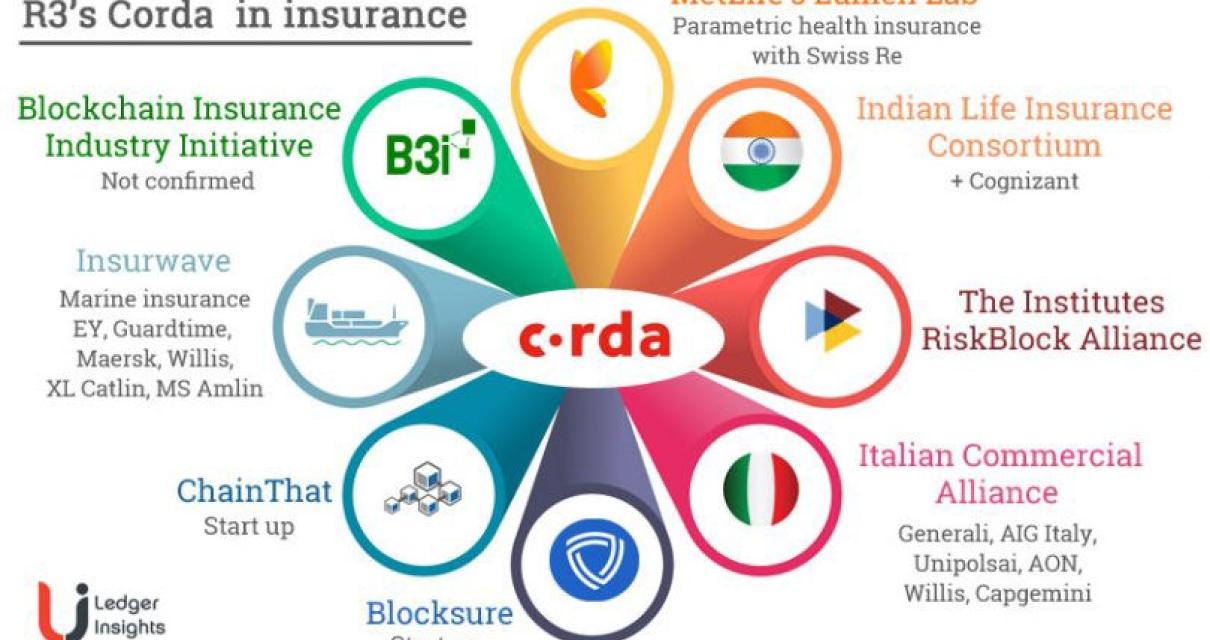
How blockchain technology can improve the insurance industry
There are a number of potential benefits that could be realized through the widespread adoption of blockchain technology in the insurance industry. These benefits could include:
1. Improved transparency and trust: Blockchain technology can help to increase transparency and trust between insurers and policyholders, as all transactions and data will be publicly available and encrypted. This could lead to reduced fraud and increased customer confidence.
2. Reduced costs and increased efficiency: Blockchain technology could reduce costs associated with insurance processes, such as claims processing and insurance premiums. Additionally, it could lead to increased efficiency and streamlined communication between insurers and their customers.
3. Increased security and protection: Blockchain technology can help to increase security and protect intellectual property, such as customer data. This could lead to improved trust and confidence between insurers and their customers, as well as reduced risk of fraud.
4. Increased customer loyalty and satisfaction: By offering a more efficient and secure experience, blockchain technology could lead to increased customer loyalty and satisfaction. This could lead to increased market share for insurers, as well as increased revenue and profits.

The potential of blockchain technology for the insurance industry
There are a number of potential applications for blockchain technology in the insurance industry, including tracking and tracing insurance claims, registering and tracking insurance products, and automating insurance processes.
Blockchain could help to improve the tracking and tracing of insurance claims, by allowing insurers to securely record and track all stages of a claim from the moment it is filed to the payment of the final settlement. This would help to ensure that claims are processed quickly and accurately, and that insurers are able to identify and rectify any mistakes or discrepancies quickly.
Blockchain could also be used to automate insurance processes, by allowing insurers to automate a wide range of administrative tasks related to insurance policies. This could save insurers time and money, and help to improve the speed and accuracy of insurance transactions.
Overall, blockchain technology has the potential to revolutionize the way that the insurance industry operates. By allowing insurers to track and trace insurance claims, automate insurance processes, and register and track insurance products, blockchain could help to improve the quality and efficiency of insurance services.
How blockchain technology can benefit insurers
Blockchain technology can help insurers improve transparency and trust, reduce costs, and increase trust in the insurance system. For example, blockchain can help insurers track claims and payments more accurately, reducing the potential for fraud. Additionally, blockchain can help insurers reduce the time it takes to process a claim, which can lead to faster payments to claimants.
The advantages of blockchain technology for insurers
There are a number of advantages that blockchain technology can offer insurers. These include the ability to create a tamper-proof record of transactions, reducing the risk of fraud and theft, and the ability to track asset ownership and transactions. Additionally, blockchain technology can help to improve the efficiency of insurance processes, reduce the cost of insurance premiums, and improve the customer experience.
How insurers can benefit from blockchain technology
Insurers can benefit from blockchain technology in a few ways. First, it can help them to improve their data security. Blockchain technology creates a tamper-proof record of all transactions, which makes it difficult for hackers to steal or tamper with data. This is especially important for insurers, as they often have sensitive customer data.
Second, blockchain technology can help insurers to streamline their operations. By using blockchain technology, insurers can create a system in which customers and providers can easily and securely exchange information. This can save insurers time and money, and make it easier for them to process claims and payments.
Finally, blockchain technology can help insurers to reduce the cost of their operations. By using blockchain technology, insurers can reduce the need for middlemen (such as banks), which can reduce the cost of insurance premiums.
The potential of blockchain technology in the insurance industry
There are many potential applications of blockchain technology in the insurance industry. For example, it could be used to create a tamper-proof ledger of insurance contracts, to automate the processes of claims and claims adjudication, and to provide a secure platform for exchanging insurance policies and claims information.
Another potential application of blockchain technology in the insurance industry is the development of a digital insurance token. This would allow insurers to securely and transparently transfer money and assets between themselves, without the need for a third party.
Finally, blockchain technology could be used to create a tamper-proof database of insurance claims. This would help to improve the accuracy and timeliness of insurance claims processing, and to reduce the risk of fraud and abuse.