How to read crypto charts
Cryptocurrency charts are a great way to see how a particular coin is performing over time.
To read a crypto chart, you first need to identify the specific coin or token you are interested in. You can find this information on the coin's official website, on a cryptocurrency exchange, or on a cryptocurrency tracking site like CoinMarketCap.
Once you have found the coin's information, you can begin to look at its historical data. This data will show you how the coin has performed over time and what factors have influenced its performance.
You can also use this data to make informed decisions about whether or not to buy or sell the coin.
What do all the different crypto chart types mean?
Cryptocurrencies are traded on various exchanges and can be represented in a variety of different chart types.
The most common chart types are the candlestick chart, which shows the price of a cryptocurrency over a specific period of time, and the line chart, which shows the value of a cryptocurrency over a longer period of time.
How to make sense of crypto market data
Cryptocurrency prices are notoriously volatile, with huge swings in price. This makes it difficult to make sense of crypto market data.
To make sense of crypto market data, you need to understand how prices are calculated and how they differ from other markets.
Cryptocurrencies are priced in units called 'satoshis'. 1 satoshi is equal to 0.00000001 bitcoin. Therefore, a price of 100,000 satoshis means that 1 bitcoin is worth 100,000 satoshis.
Cryptocurrency prices are calculated in a variety of ways. Some cryptocurrencies, like bitcoin, use a fixed exchange rate. Other cryptocurrencies, like Ethereum, use a market-based exchange rate.
Cryptocurrencies are also traded on different exchanges. A single cryptocurrency may be traded on multiple exchanges, which can make prices vary significantly.
The basics of technical analysis for crypto trading
Technical analysis is the process of analyzing financial data to identify patterns and trends. This information can then be used to make informed investment decisions.
When trading cryptocurrencies, technical analysis can help you identify price trends, understand how volatile a particular coin is, and predict when a coin is likely to reach a specific price point. Additionally, it can help you determine when to sell a coin and which other coins to buy.
There are a few key principles to keep in mind when using technical analysis for cryptocurrency trading. First, always remember that cryptocurrencies are highly volatile and can rapidly change in price. Therefore, it is important to pay attention to short-term trends rather than long-term trends. Second, always keep in mind the risk/reward ratio when trading cryptocurrencies. For example, if a coin is trading at $10,000 and you believe that it has the potential to rise to $12,000, it may be worth it to buy the coin. However, if you believe that the coin could fall back down to $9,000, it may not be worth it to buy the coin. Third, always remember to stay disciplined when trading cryptocurrencies. Do not overreact to small changes in price and do not let your emotions get the best of you.
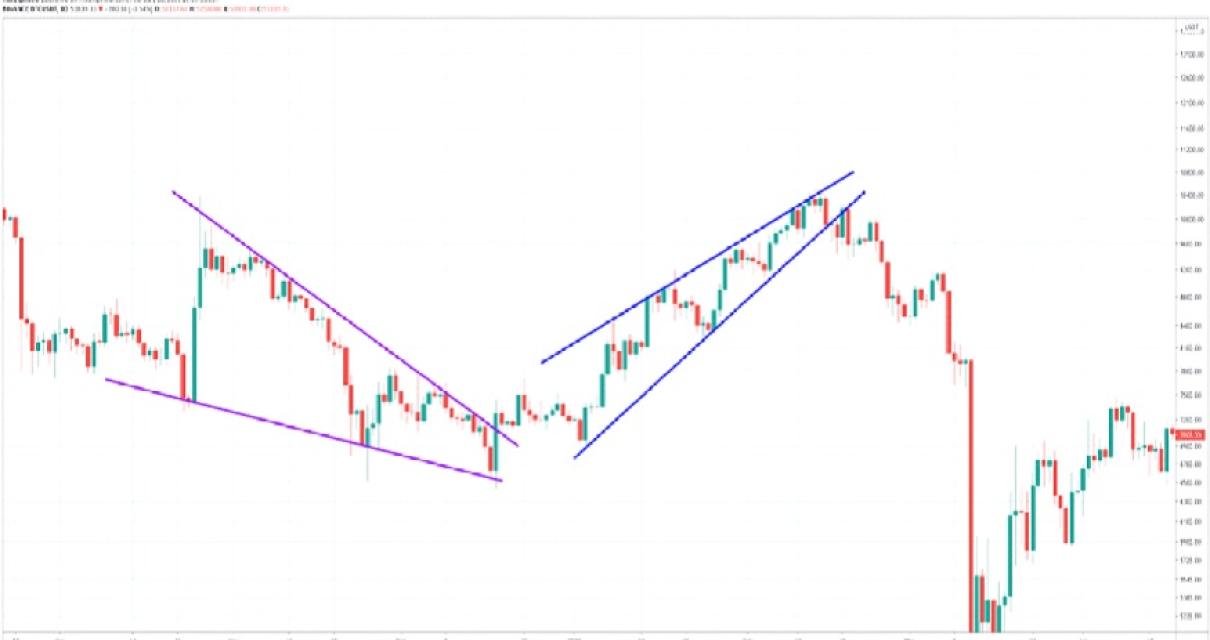
Why charts are essential for crypto traders
The following is a list of reasons why charts are essential for crypto traders:
1. They provide a visual representation of trends
Charting tools allow traders to see the movement of prices over time, which can help them to identify trends and make better trading decisions.
2. They can help to identify support and resistance levels
Charting tools can help traders to identify potential support and resistance levels, which can be helpful in determining when to buy or sell cryptocurrencies.
3. They can help to identify patterns
Charting tools can help traders to identify patterns in the price movement of cryptocurrencies, which can help them to make better investment decisions.
How to use support and resistance lines when trading cryptos
When trading cryptos, it is important to be aware of support and resistance lines. These lines are important because they can help you determine when a cryptocurrency is overvalued or undervalued.
When looking for support or resistance, always try to find a line that is close to the current price. Once you find a line, look for indicators that suggest whether the price is likely to move up or down from that line.
For example, if you are looking for support in a cryptocurrency, you might look for a line that is near the current price. If the price moves below this line, it might indicate that the cryptocurrency is overvalued and is likely to fall in price. If the price moves above this line, it might indicate that the cryptocurrency is undervalued and is likely to rise in price.
Similarly, if you are looking for resistance in a cryptocurrency, you might look for a line that is far from the current price. If the price moves above this line, it might indicate that the cryptocurrency is overvalued and is likely to fall in price. If the price moves below this line, it might indicate that the cryptocurrency is undervalued and is likely to rise in price.
What are candlestick charts and how can they help me trade cryptos?
Candlestick charts are a visual way to track the price of a cryptocurrency over time. They show the highs and lows of the price for each candle, which can help you get an idea of how the price is moving. You can use candlestick charts to help you trade cryptocurrencies by watching for patterns in the price and reacting accordingly.
Using trendlines to trade cryptos
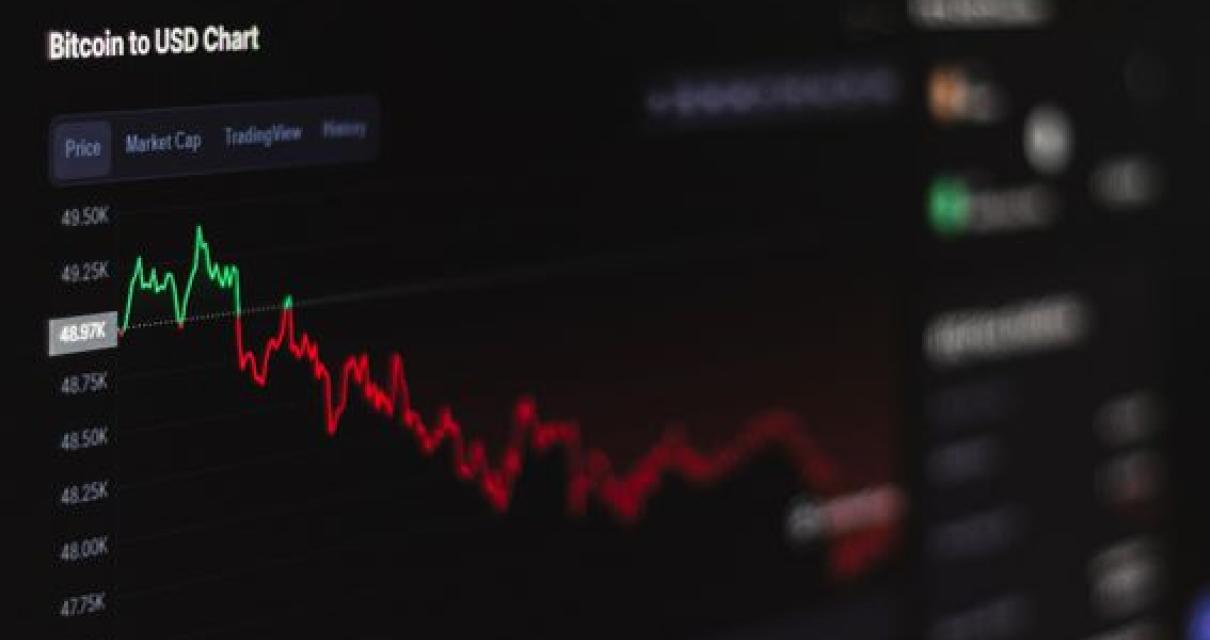
One popular way to trade cryptos is by using trendlines. A trendline is a line that shows the trend of the price over time. You can use trendlines to help you predict the future price of a cryptocurrency.
To create a trendline, you need to find the current price and the previous price. Then, you need to draw a line between those two values. If the price is moving up or down, the line will slope upward or downward, respectively.
You can use trendlines to help you predict the future price of a cryptocurrency.
To use a trendline to trade cryptocurrencies, you first need to find the current price and the previous price. Then, you need to find the slope of the trendline. The slope of the trendline will tell you how much the price has changed from one point to the next.
If the slope of the trendline is positive, then the price is rising. If the slope of the trendline is negative, then the price is falling.
You can use this information to make predictions about the future price of a cryptocurrency. If you think the price is about to rise, you can buy the cryptocurrency. If you think the price is about to fall, you can sell the cryptocurrency.
What are some common chart patterns seen in the crypto markets?
Some common chart patterns seen in the crypto markets are candles, triangles, and channels.
How can Fibonacci levels help me trade cryptos?
Fibonacci levels can help you identify support and resistance levels in cryptos. For example, if you are trading a cryptocurrency that is experiencing significant price volatility, you may want to look for areas of support and resistance that coincide with Fibonacci levels.
What is Elliot Wave Theory and how can it help me trade cryptos?
Elliot Wave Theory is a technical analysis tool that was first developed in the early 1990s. It is used to identify patterns of price movement, and can help traders anticipate when a security or commodity will experience significant changes in price. By understanding Elliot Wave Theory, traders can better predict when to buy or sell a security or commodity, potentially creating larger profits.
How to use Ichimoku Cloud indicator when trading cryptos
The Ichimoku Cloud indicator is a technical analysis tool that is used to identify the trend of a security or commodity. The indicator can be used to help traders make trading decisions.
To use the Ichimoku Cloud indicator, first find the security or commodity you want to trade. Then, open a chart for that security or commodity and locate the Ichimoku Cloud indicator. The indicator will be located near the bottom right-hand corner of the chart.
To use the Ichimoku Cloud indicator, first find the security or commodity you want to trade. Then, open a chart for that security or commodity and locate the Ichimoku Cloud indicator. The indicator will be located near the bottom right-hand corner of the chart.
Once you have located the Ichimoku Cloud indicator, hover your cursor over the indicator. This will display the current state of the trend for the security or commodity. If you want to identify the direction of the trend, hover your cursor over the indicator and look for the first “koku” (area). The first koku is in the green area and indicates that the trend is up. If you want to identify the direction of the trend, hover your cursor over the indicator and look for the first “koku” (area). The first koku is in the blue area and indicates that the trend is down.