How a blockchain database works
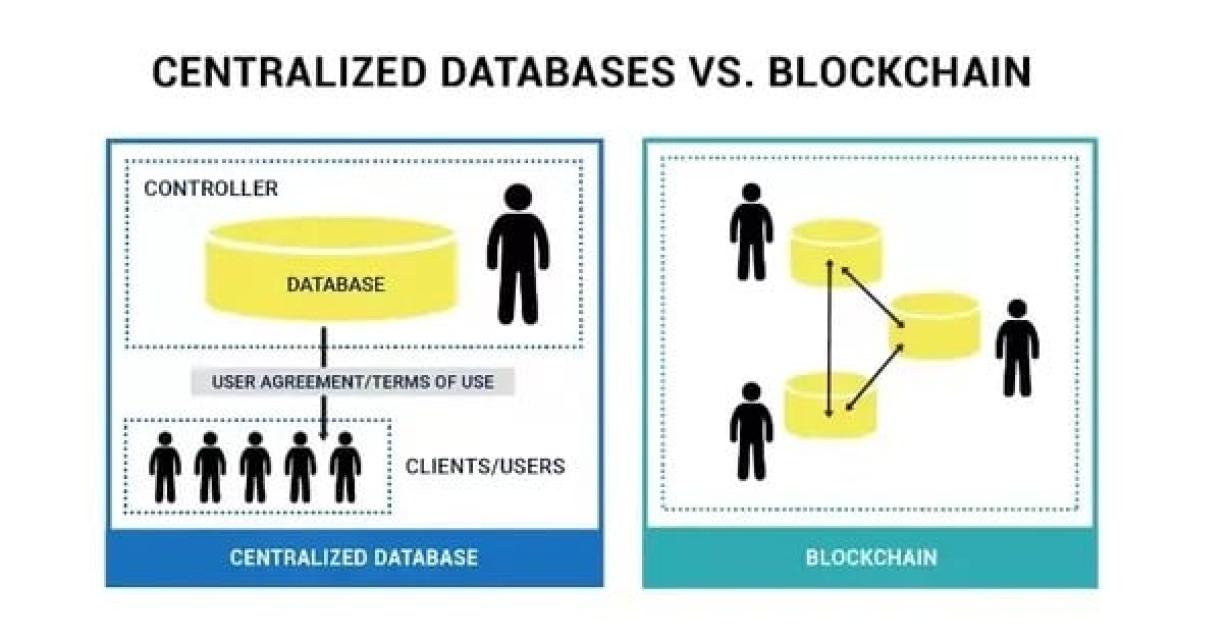
A blockchain database is a distributed database that uses blockchain technology. It is similar to a traditional database, but it uses blockchain technology to create a tamper-proof record of transactions. This ensures that the data is accurate and secure.
A blockchain database can be used to store any type of data. It can be used to store information about people, companies, products, and more.
A blockchain database is unique in that it is tamper-proof. This means that it is impossible for anyone to tamper with the data. This makes it a very secure way to store information.
A blockchain database can be used to track any type of data. This makes it a very useful tool for tracking the movement of products, money, and more.
How a blockchain database is used
A blockchain database can be used to track the movement of products, money, and more. It can also be used to store information about people, companies, products, and more.
A blockchain database can be used to store information about the movement of products. This is useful for tracking the movement of products across different countries. It can also be used to track the movement of products across different industries.
A blockchain database can be used to store information about the movement of money. This is useful for tracking the movement of money across different countries. It can also be used to track the movement of money across different industries.
A blockchain database can also be used to store information about people. This is useful for tracking the movement of people across different countries. It can also be used to track the movement of people across different industries.
How a blockchain database is created
A blockchain database is created using blockchain technology. This is a distributed database that uses blockchain technology to create a tamper-proof record of transactions.
A blockchain database is created using a process called mining. This is a process by which new blocks of data are added to the blockchain database. New blocks of data are added to the blockchain database every time someone mines them.
Mining is a process by which new blocks of data are added to the blockchain database. New blocks of data are added to the blockchain database every time someone mines them. This is how a blockchain database is created.
The benefits of a blockchain database
There are many potential benefits to using a blockchain database, including:
Immutability : A blockchain database is immutable, meaning that once it is created, it cannot be changed. This is an essential feature for ensuring accuracy and trustworthiness.
: A blockchain database is immutable, meaning that once it is created, it cannot be changed. This is an essential feature for ensuring accuracy and trustworthiness. Transparency: Every transaction and block on a blockchain is publically visible, making it possible for everyone to track the history of transactions and assets. This helps to ensure accountability and prevent fraud.
Every transaction and block on a blockchain is publically visible, making it possible for everyone to track the history of transactions and assets. This helps to ensure accountability and prevent fraud. Security: A blockchain database is secure, meaning that it is difficult to tamper with or corrupt. This makes it a more reliable source of information than traditional databases.
A blockchain database is secure, meaning that it is difficult to tamper with or corrupt. This makes it a more reliable source of information than traditional databases. Speed: A blockchain database can be processed faster than traditional databases, which can make it a more efficient way to store and manage data.
A blockchain database can be processed faster than traditional databases, which can make it a more efficient way to store and manage data. Cost: A blockchain database is usually cheaper than traditional databases, which makes it a more affordable option.
The drawbacks of a blockchain database
A blockchain database has several potential drawbacks. The first drawback is that a blockchain database is decentralized, meaning that it is not governed by a single entity or authority. This can lead to problems if the blockchain database is used to store information that should be centralized, such as financial records.
Another potential drawback of a blockchain database is that it is difficult to modify or update. This is because each node in the blockchain network must agree on any changes that are made to the database. If a large number of nodes disagree with a change, it can be difficult to implement it.
Finally, a blockchain database is susceptible to cyberattacks. If someone gains access to a blockchain database, they could potentially use it to attack other nodes or steal data.
The future of blockchain databases
There is no doubt that blockchain technology has the potential to revolutionize the way we do business. However, it is still early days for this technology, and there are many unanswered questions about its future.
One question that is particularly relevant to blockchain databases is how they will fare in the long term. Will they be able to maintain a high level of reliability and performance, compared to traditional databases? And will they be able to scale effectively, so that they can support large-scale applications?
It is still too early to say for sure, but it seems likely that blockchain databases will continue to grow in popularity and importance. They could play a significant role in reshaping the way we do business, and we can expect to see more and more innovative applications developed using this technology in the future.
The different types of blockchain databases
There are many different types of blockchain databases, and they each have their own unique features and advantages. Here are three of the most common types:
Distributed Ledger Database (DLDB)
A DLDB is a type of blockchain database that is decentralized and distributed. This means that it is not controlled by any one entity or organization, and it is instead maintained by a network of participating nodes. DLDBs are often used for applications that require a high level of security and reliability. They are also well-suited for applications that need to be transparent and accessible to a large number of users.
Blockchain Transaction Database (BTD)
A BTD is a type of blockchain database that is used for managing transactions. Transactions are stored in a chronological order, and each entry in the database contains information about the transaction, the parties involved, and the transaction fee. BTDs are often used for applications that require fast and easy access to transaction data.
Blockchain Platform Database (BPD)
A BPD is a type of blockchain database that is used for managing different types of data. This includes information about users, products, services, and other assets. BPDs are often used for applications that need to store large amounts of data in a secure and reliable manner.
How to implement a blockchain database
A blockchain database is a distributed database that uses the blockchain technology. Blockchain databases are similar to traditional databases, but they use blockchain technology to manage data.
To create a blockchain database, you first need a blockchain platform. The most popular blockchain platforms are Ethereum and Bitcoin. Next, you need to create a blockchain database. To do this, you will need to create a blockchain application. This application will contain the code that manages the database. Finally, you need to create a network of nodes. These nodes will be used to store and manage the data in the blockchain database.
Why you should (or shouldn't) use a blockchain database
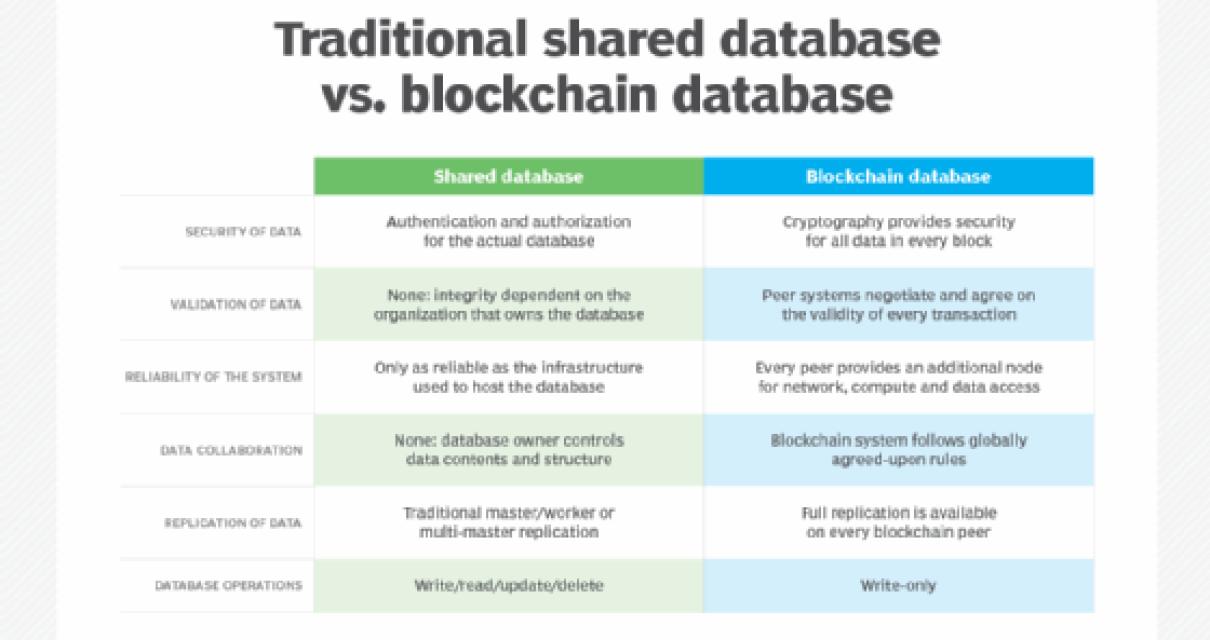
There is no definitive answer to this question as different businesses and users will have different needs and opinions. Some people believe that blockchain databases are the future of database technology, while others believe that they are overcomplicated and unnecessary. Ultimately, it is up to the business owner or users to decide whether or not to use a blockchain database.