Layer 2 Blockchain: An Introduction
Layer 2 Blockchain is a newer technology, which is focused on the decentralization of the internet. This technology uses blockchain technology to create a secure and tamper-proof system for recording and distributing data.
Layer 2 Blockchain technology can be used to create a secure and tamper-proof system for recording and distributing data. This technology can be used to create a secure system for recording and distributing data, as well as to create a tamper-proof system for recording and distributing data.
Layer 2 Blockchain technology can be used to create a secure and tamper-proof system for recording and distributing data. This technology can be used to create a secure system for recording and distributing data, as well as to create a tamper-proof system for recording and distributing data.
What is a Layer 2 Blockchain?
Layer 2 blockchains are a type of blockchain in which each block is linked to a previous block but also contains information about the transactions that occurred on the network. This makes it possible to track the history of all the transactions that have taken place on the network.
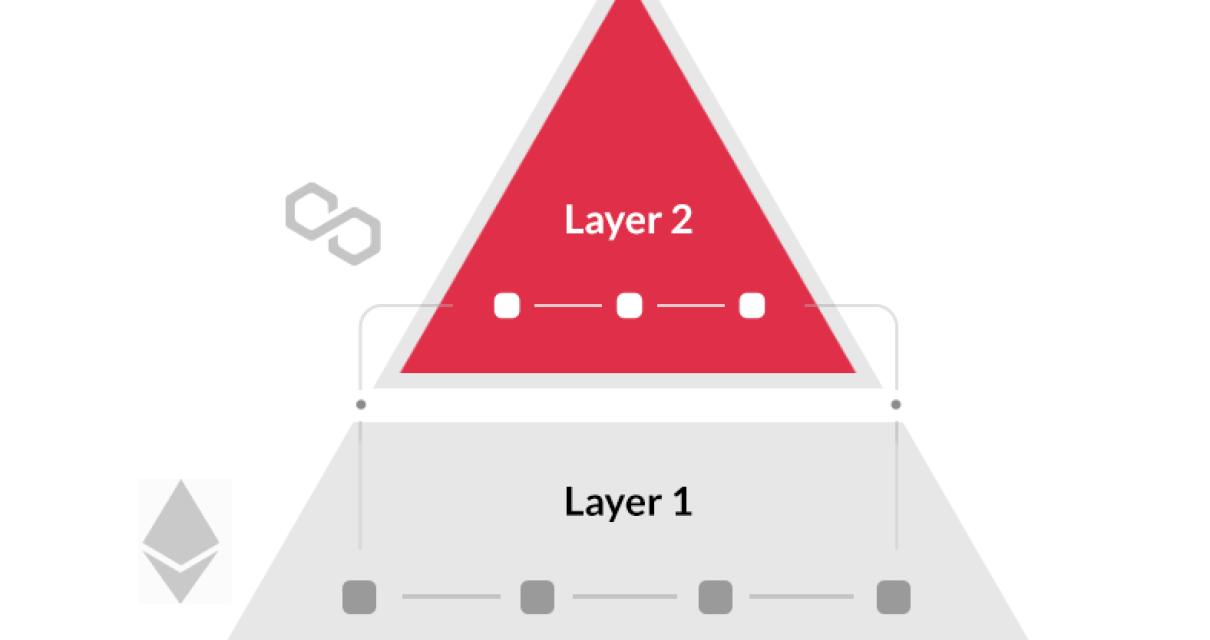
The Benefits of a Layer 2 Blockchain
Layer 2 blockchains offer a number of benefits that make them well suited for a wide variety of applications. These include:
1. Scalability: Layer 2 blockchains are able to handle a greater number of transactions than traditional blockchain platforms. This makes them well suited for applications that require high throughput, such as financial services and supply chain management.
2. Security: Because layer 2 blockchains are not decentralized, they are less vulnerable to attacks than traditional blockchain platforms. This makes them well suited for applications that require high levels of security, such as online voting and banking.
3. Automation: Layer 2 blockchains can be used to automate complex processes and tasks, such as identity verification and contract negotiation. This makes them well suited for applications that require high levels of automation, such as the management of supply chains.
4. Privacy: Layer 2 blockchains are able to provide a degree of privacy for users, unlike traditional blockchain platforms. This makes them well suited for applications that require privacy, such as the management of personal data.
How a Layer 2 Blockchain Works
Layer 2 blockchains are networks that use a peer-to-peer protocol to manage transactions. Transactions are verified by network members and then recorded in a public ledger.
Each node in the Layer 2 blockchain network maintains a copy of the ledger. Transactions are verified and recorded by each node in the network.
This makes Layer 2 blockchains more reliable and efficient than traditional centralized systems. Because each node in the network is responsible for verifying and recording transactions, corruption is less likely to occur.
Furthermore, because transactions are verified by network members, Layer 2 blockchains can support a wider range of applications than traditional systems.
How a Layer 3 Blockchain Works
Layer 3 blockchains are networks that use a distributed ledger to manage transactions. Transactions are verified by network members and then recorded in a public ledger.
Each node in the Layer 3 blockchain network maintains a copy of the ledger. Transactions are verified and recorded by each node in the network.
This makes Layer 3 blockchains more reliable and efficient than traditional centralized systems. Because each node in the network is responsible for verifying and recording transactions, corruption is less likely to occur.
Furthermore, because transactions are verified by network members, Layer 3 blockchains can support a wider range of applications than traditional systems.
The Different Types of Layer 2 Blockchains
There are three different types of layer 2 blockchains:
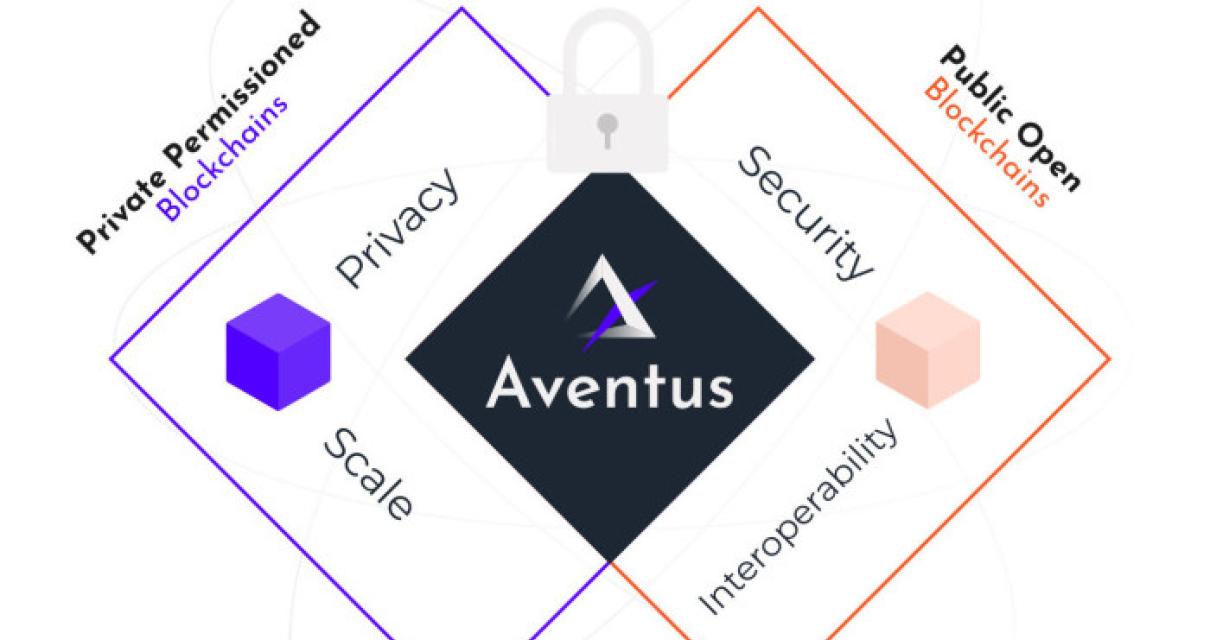
1. Private blockchains: These are distributed networks that are used by a specific group of individuals or organizations. They are not open to the public and are not used for transactions.
2. Public blockchains: These are distributed networks that are open to the public and are used for transactions.
3. Hybrid blockchains: These are a combination of the two types of blockchains. They are private in that they are used by a specific group of individuals or organizations, but they are also open to the public and used for transactions.
Why Use a Layer 2 Blockchain?
Layer 2 blockchain technology is currently being used by some companies as a way to improve security and performance. By using a layer 2 blockchain, companies can create a distributed ledger that is separate from the main network. This allows for faster transactions and more security.
The Future of Layer 2 Blockchains
Layer 2 blockchains are likely to continue to grow in popularity, as they provide a more efficient and secure way of handling transactions. They could also be used to create decentralized applications (DApps), which would allow users to access a wide range of services without having to trust third parties.
challenges faced by layer 2 blockchain
Some of the challenges faced by layer 2 blockchain technology include scalability, privacy and interoperability. Scalability is a major issue with layer 2 blockchain technology as it can only handle a limited number of transactions per second. Privacy is also a challenge as layer 2 blockchain technology does not involve any central authority or server. Interoperability is also an issue as different layer 2 blockchain networks need to be able to communicate with each other.
How to use layer 2 blockchain
Layer 2 blockchain is a blockchain technology that allows for multiple parties to share a common database without needing to trust each other. This allows for more efficient and secure transactions between parties.
Layer 2 blockchain technology can be used to create a tamper-proof ledger of events. This could be used for monitoring and tracking the movements of goods or assets. It could also be used to record the actions of participants in a contract.
Layer 2 blockchain technology can also be used to create a decentralized marketplace. This would allow buyers and sellers to exchange goods and services without the need for a third party.
Applications of layer 2 blockchain
Layer 2 blockchain technology can be used to create trustless, tamper-proof systems for sharing data. For example, a layer 2 blockchain could be used to securely store medical records.
Advantages of layer 2 blockchain over other blockchains
Layer 2 blockchain technology offers several advantages over other types of blockchains. These advantages include:
1. Scalability: Layer 2 blockchains are able to handle more transactions than other types of blockchains, making them more suitable for use in large-scale applications.
2. Security: Because layer 2 blockchains are decentralized, they are much more secure than centralized systems.
3. Privacy: Because layer 2 blockchains are distributed, they are less likely to be compromised by data breaches than centralized systems.
4. Interoperability: Because layer 2 blockchains are built on top of existing networks, they are easy to integrate into existing systems.
Disadvantages of layer 2 blockchain
Layer 2 blockchain networks have several disadvantages that make them less desirable than other types of blockchain networks.
1) They are slower and less scalable than other types of blockchain networks.
2) They are less secure than other types of blockchain networks.
3) They are less efficient than other types of blockchain networks.
4) They are more difficult to deploy than other types of blockchain networks.