How can blockchain help businesses?
Blockchain can help businesses by providing a secure, tamper-proof, and transparent ledger of all transactions. This allows businesses to track transactions from inception to completion, and to make sure that all information is accurate and consistent. Additionally, blockchain technology can help businesses reduce fraud and waste, and to improve transparency and trust among customers and suppliers.
What benefits does blockchain bring?
There are many benefits to blockchain technology, including:
-Decentralized: Unlike traditional systems where data is centralized, blockchain is a distributed database where each participant has a copy of the ledger. This makes it immune to corruption and makes it easier to verify transactions.
-Security: Blockchain is secure because it uses a cryptographic protocol to create an unchangeable record of all transactions. This makes it difficult for hackers to steal or corrupt data.
-Transparency: Every transaction on a blockchain is public, so everyone can see how much money is being exchanged and who is involved. This helps to eliminate the need for third-party verification and allows for more efficient and transparent business processes.
-Cost savings: Blockchain technology can lower the costs of transactions by eliminating the need for third-party verification and settlement fees.
Why is blockchain technology important?
Blockchain technology is important because it allows for secure, tamper-proof transactions between two parties. This technology can also be used to track the ownership of digital assets.
What are the key features of blockchain technology?
Some of the key features of blockchain technology include:
-Distributed database: The blockchain is a distributed database, meaning that it is not centralized. This makes it resistant to attacks and difficult to tamper with.
-Security: The blockchain is a secure platform because it uses cryptography to protect data. This makes it difficult for hackers to access data or steal money.
-Transparency: The blockchain is transparent, meaning that everyone can see how money is being spent and who is responsible for it. This helps to ensure that transactions are reliable and fair.
How does blockchain work?
Blockchain technology works by creating a global database of encrypted transactions that are verified by a network of computers. This database is constantly growing as “completed” blocks are added to it with a new set of recordings. Each block contains a cryptographic hash of the previous block, a timestamp, and transaction data. Bitcoin nodes use the block chain to differentiate legitimate Bitcoin transactions from attempts to re-spend coins that have already been spent elsewhere.
What potential does blockchain have?
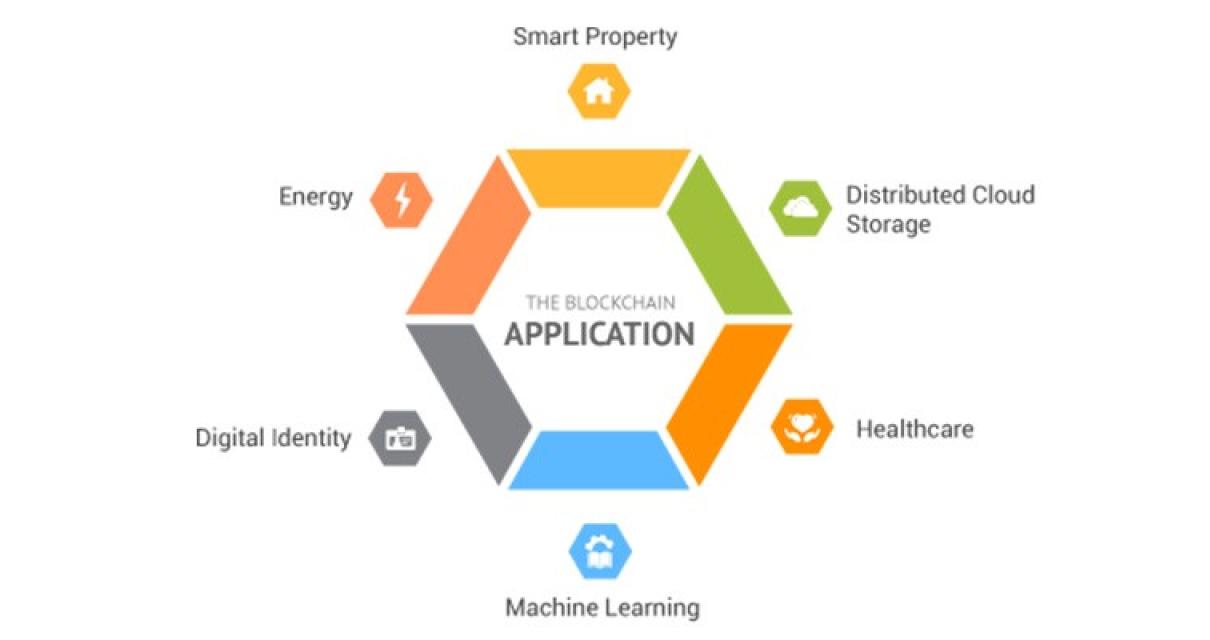
There are many potential applications for blockchain technology. Some potential applications include:
-Creating a tamper-proof record of transactions
-Reducing the need for trust in third-party intermediaries
-Making it easier to conduct business transactions across borders
-Enabling secure, transparent and tamper-proof voting systems
What are the challenges of blockchain technology?
The challenge of blockchain technology is that it is still in its early stages and there is still a lot of research that needs to be done in order to make the technology more efficient and secure. Another challenge with blockchain is that it is difficult to scale it up because it requires a large amount of computer power to operate.

How can we make sure blockchain is secure?
There is no one answer to this question as the security of blockchain is highly dependent on the specific implementation and features of the blockchain. However, some general tips for ensuring the security of blockchain include:
- Implementing proper authentication and access controls: Ensure that only authorized users are able to access and modify data stored on a blockchain.
-cherishing privacy: Do not share personal information such as identity or financial details with anyone associated with the blockchain system.
- safeguarding against cyberattacks: Keep the blockchain system protected against unauthorized access, alteration, or destruction.
- maintaining a redundant network: Have a backup system in place in case the primary blockchain network is compromised.
- testing regularly: Make sure that the blockchain system is tested for vulnerabilities and corrects any problems before deploying it in a production environment.
What is the future of blockchain technology?
There is no one definitive answer to this question. Some people believe that blockchain technology will eventually become the standard for online transactions, while others believe that it will remain a niche technology. Ultimately, it is unclear how widespread or successful blockchain technology will be.