The Top 5 Blockchains To Watch In 2020
1. Ethereum
2. Bitcoin
3. Bitcoin Cash
4. Litecoin
5. EOS
3 Under-the-Radar Blockchains With Huge Potential
As blockchain technology continues to grow, so do the opportunities for under-the-radar blockchains to emerge and grab a share of the market.
Here are three such blockchains with huge potential:
1. Decentraland
Decentraland is a blockchain platform that uses virtual reality (VR) to create a “virtual world” where users can purchase and sell items, access services, and create content.
The project has already raised over $16 million in funding and is currently in the process of building its first VR platform. If successful, Decentraland could become the dominant VR platform and be a major player in the blockchain space.
2. Gnosis
Gnosis is a blockchain platform that aims to provide a decentralized marketplace for news and data.
The platform allows users to buy, sell, or trade information using Ethereum-based tokens. Gnosis has already raised over $12 million in funding and is currently in the process of building its platform. If successful, Gnosis could become a major player in the blockchain space.
3. Qtum
Qtum is a blockchain platform that focuses on providing a decentralized platform for businesses and applications.
The platform allows users to create their own applications and businesses, as well as to use Qtum’s own tokens to pay for services and products. Qtum has already raised over $32 million in funding and is currently in the process of building its platform. If successful, Qtum could become a major player in the blockchain space.
How to Pick the Best Blockchain for Your Business
Blockchain technology is a distributed, decentralized ledger of all transactions. It is essentially a digital database that can be used to track the movement of assets. A blockchain application can be used for a number of purposes, including tracking the ownership of assets, exchanging information, and confirming contracts.
To choose the best blockchain for your business, you first need to determine what you need it for. Some common uses for blockchain technology include:
Asset Tracking: A blockchain can be used to track the ownership of assets. This can be used for things like tracking property ownership, shares, and intellectual property.
A blockchain can be used to track the ownership of assets. This can be used for things like tracking property ownership, shares, and intellectual property. Exchange of Information: Blockchain can be used to exchange information between parties without the need for a third party. This can be used for things like registering patents, issuing shares, and tracking the movement of money.
Blockchain can be used to exchange information between parties without the need for a third party. This can be used for things like registering patents, issuing shares, and tracking the movement of money. Confirmation of Contracts: A blockchain can be used to confirm contracts between parties. This can be used for things like verifying the accuracy of deals, tracking payments, and confirming the validity of documents.
Once you have determined what you need a blockchain for, you need to determine which type is best for your business. There are three main types of blockchains: public, private, and hybrid.
Public blockchains are open to everyone and are typically used for things like asset tracking and exchange of information. They are also used for things like voting and crowdfunding.
Private blockchains are only accessible by authorized users and are typically used for things like recording contracts and transactions.
Hybrid blockchains are a combination of both public and private blockchains. This means that some parts of the blockchain are public and other parts are private. This allows for more flexibility when it comes to using the blockchain for your business.
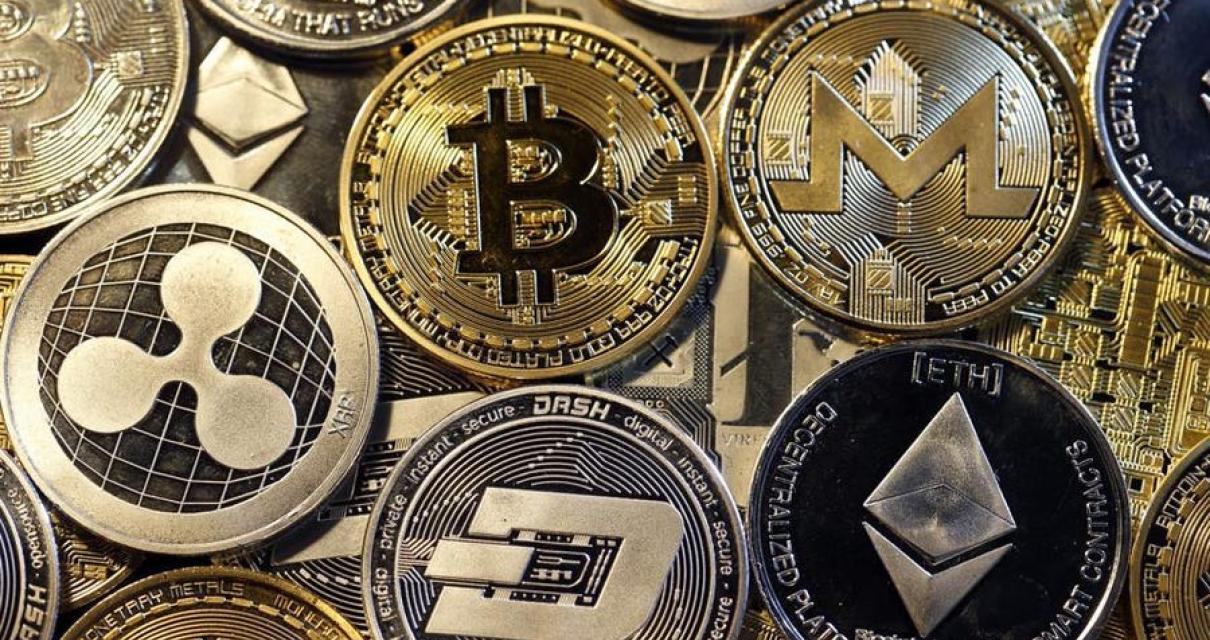
The Benefits and Pitfalls of Different Blockchains
There are many different types of blockchains, each with its own set of benefits and drawbacks. Some of the more popular blockchains include Bitcoin, Ethereum, and Litecoin. Here are some of the benefits and pitfalls of these three popular blockchains:
Bitcoin
Bitcoin is the first and most well-known blockchain. Bitcoin is a digital currency that is powered by blockchain technology. Bitcoin is decentralized, meaning that there is no central control over it. This makes Bitcoin resistant to government interference and financial institutions.
One downside to Bitcoin is that it is not easily accessible for everyone. It is only available to those who have access to computer hardware and an internet connection.
Ethereum
Ethereum is a blockchain platform that allows for the creation of smart contracts and decentralized applications. These applications can be used to do things like automating financial transactions or trading goods and services.
One downside to Ethereum is that it is more difficult to use than Bitcoin. Ethereum also has a higher per-transaction fee than Bitcoin.
Litecoin
Litecoin is a cryptocurrency that is based on the Bitcoin blockchain. Litecoin is faster and cheaper than Bitcoin, making it a good choice for small transactions. Litecoin also has a larger block size than Bitcoin, meaning that it can process more transactions per second.
One downside to Litecoin is that it is less secure than Bitcoin. Additionally, Litecoin has been known to be more volatile than Bitcoin.

Public vs. Private Blockchains: Which is Best?
There are a few different types of blockchain networks, each with its own benefits and drawbacks.
Public blockchains are open to anyone with an internet connection. Anyone can view the transactions that take place on a public blockchain, and anyone can create a new block and add to the blockchain. This makes public blockchains very accessible, but it also makes them more susceptible to cyberattacks.
Private blockchains are only accessible by authorized participants. These participants are typically companies or governments that have signed a contract to use the private blockchain. This type of blockchain is more secure than public blockchains, because it allows only authorized participants to access the network.
hybrid blockchains combine features of both public and private blockchains. For example, a hybrid blockchain might allow users to access the network but not view the transactions.
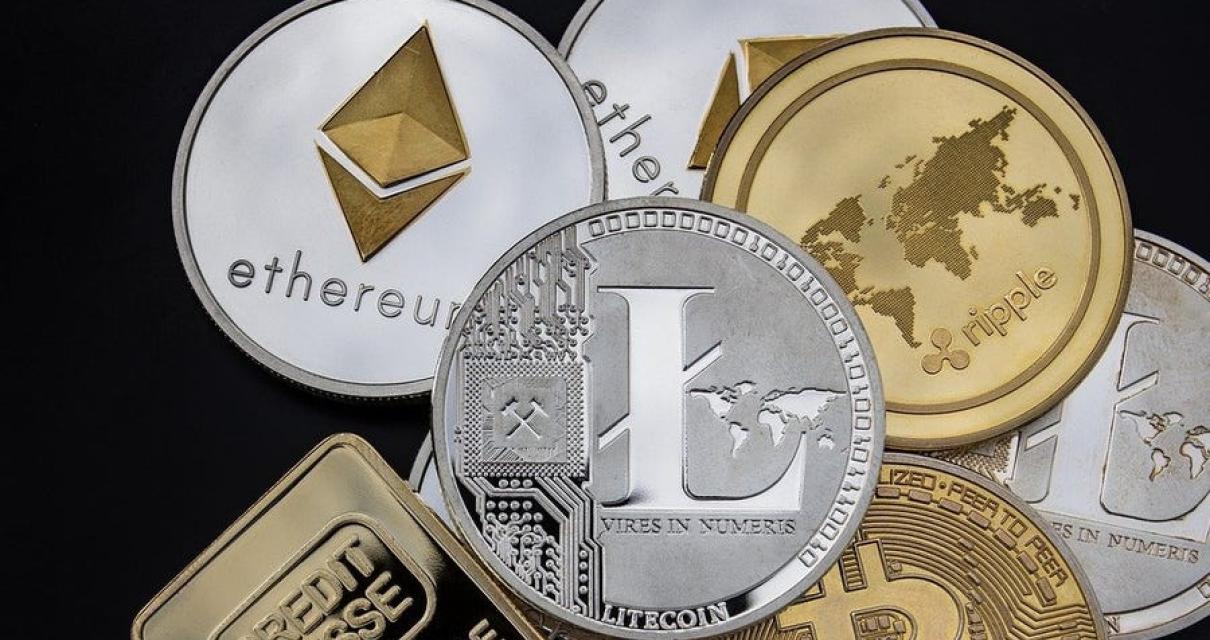
The Pros and Cons of the Top 5 Blockchains
Bitcoin
Bitcoin is the most well-known and popular blockchain platform. It is a decentralized platform that allows users to conduct transactions without having to go through a third party. Bitcoin also has the largest market capitalization of all the blockchain platforms.
One downside of Bitcoin is that it is not suitable for all types of transactions. For example, it is not suitable for payments that need to be fast and secure.
Ethereum
Ethereum is a blockchain platform that allows users to execute smart contracts. These contracts can be used to create decentralized applications (dApps). Ethereum also has a more flexible programming language than Bitcoin, which makes it more suitable for creating dApps.
One downside of Ethereum is that it is not as well known as Bitcoin. This could make it difficult for developers to find developers who are familiar with Ethereum.
Ripple
Ripple is a blockchain platform that focuses on providing banks and other financial institutions with a faster and more efficient way to move money. Ripple also has a more centralized structure than the other three blockchain platforms. This could make it difficult for Ripple to achieve widespread use.
One upside of Ripple is that it is well-known and has been adopted by many banks and financial institutions. This could make it easier for Ripple to achieve widespread use.
Bitcoin Cash
Bitcoin Cash is a blockchain platform that was created as a result of the Bitcoin fork in August 2017. Bitcoin Cash is similar to Bitcoin in that it is a decentralized platform that allows users to conduct transactions without having to go through a third party. However, Bitcoin Cash has an increased block size limit of 8 MB, which makes it faster and more efficient than Bitcoin.
One downside of Bitcoin Cash is that it is not as well known as the other three blockchain platforms. This could make it difficult for Bitcoin Cash to achieve widespread use.
What You Need to Know Before Choosing a Blockchain
Service
Before you choose a blockchain service, there are a few things you need to know.
First, you need to decide what you want from the service. Do you just want to use the blockchain technology for recording transactions? Or do you want to build a more complex application on top of it?
Second, you need to decide how much you're willing to spend. Blockchain services can be expensive, and you'll need to weigh the cost against the benefits of using one.
Finally, you need to decide what type of blockchain service is right for you. There are a number of different types of blockchain services, and you'll need to decide which one is best for your needs.
If you've decided you want to use a blockchain service, the next step is to figure out which one is right for you.
How to Decide Which Blockchain is Right for You
There are many different types of blockchains, so it can be difficult to decide which one is right for you. Before making a decision, it is important to understand how each type of blockchain works.
Bitcoin
Bitcoin is the most well-known type of blockchain. Bitcoin is a digital asset and a payment system invented by Satoshi Nakamoto. Transactions are verified by network nodes through cryptography and recorded in a public distributed ledger called a blockchain. Bitcoin is unique in that there are a finite number of them: 21 million.
Ethereum
Ethereum is a blockchain platform that allows developers to build and deploy decentralized applications. Ethereum uses a smart contract system to facilitate transparent, automated, and transparent payments between parties.
Litecoin
Litecoin is an open source, peer-to-peer digital currency that enables instant payments to anyone in the world. It was created by Charlie Lee, an early bitcoin investor and founder of Litecoin. Litecoin is more than just a digital currency, it also allows you to store funds and purchase goods and services.
Ripple
Ripple is a blockchain platform that allows for the secure, instant transfer of money across the world. Ripple uses a consensus ledger to ensure that all transactions are recorded.
Selecting the Optimal Blockchain for Your Use Case
There is no one-size-fits-all answer when it comes to selecting the optimal blockchain for your use case. Rather, it depends on the specific needs of your business. However, some general considerations to keep in mind include:
Ease of Use: The blockchain should be easy to use for both developers and users.
The blockchain should be easy to use for both developers and users. Scalability: The blockchain should be able to handle a large number of transactions.
The blockchain should be able to handle a large number of transactions. Security: The blockchain should be secure, preventing unauthorized access or changes.
The following list provides some examples of different types of businesses and the respective best blockchain for their needs:
Asset Management: One example of a business that could benefit from a blockchain is asset management. A blockchain could be used to track assets such as diamonds, gold, and securities. Ethereum is a good option for asset management because it has a robust platform and can handle a large number of transactions.
One example of a business that could benefit from a blockchain is asset management. A blockchain could be used to track assets such as diamonds, gold, and securities. Ethereum is a good option for asset management because it has a robust platform and can handle a large number of transactions. Banking: Another example of a business that could benefit from a blockchain is banking. A blockchain could be used to create a tamper-proof record of financial transactions. Ripple is a good option for banking because it has a robust platform and can handle a large number of transactions.
Another example of a business that could benefit from a blockchain is banking. A blockchain could be used to create a tamper-proof record of financial transactions. Ripple is a good option for banking because it has a robust platform and can handle a large number of transactions. Supply Chain Management: A blockchain could also be used in supply chain management. A blockchain could be used to track items throughout the supply chain, from origin to sale. Hyperledger is a good option for supply chain management because it has a modular architecture and can support a large number of transactions.
A blockchain could also be used in supply chain management. A blockchain could be used to track items throughout the supply chain, from origin to sale. Hyperledger is a good option for supply chain management because it has a modular architecture and can support a large number of transactions. eCommerce: Another example of a business that could benefit from a blockchain is ecommerce. A blockchain could be used to track the flow of goods from production to sale. Bitcoin is an option for ecommerce because it has a robust platform and is decentralized.
As you can see, the best blockchain for your use case depends on the specific needs of your business. For example, if you are looking for a blockchain that can handle a large number of transactions, Ethereum may be the best option for you. Conversely, if you are looking for a blockchain that is easy to use, Ripple may be the best option for you.
Why Bitcoin's Blockchain is the Best
Technology for Data Storage
There is no doubt that the blockchain technology is one of the most promising and innovative technologies in the world today. It has the potential to revolutionize a variety of industries and has the potential to improve the way we store and protect our data.
One of the main reasons why the blockchain technology is such a powerful tool for data storage is because it is decentralized. This means that there is no single point of failure and no single person or organization who can control or manipulate the data. This is a key advantage over traditional data storage methods, which are often centralized and susceptible to corruption and hacking.
The blockchain technology also allows for secure and tamper-proof data storage. This is because each block in the blockchain contains a verifiable timestamp and a cryptographic hash of the previous block, meaning that it is impossible to change or tamper with the data without being noticed.
Overall, the blockchain technology is an excellent tool for data storage and it has the potential to revolutionize the way we store and protect our data.
Ethereum's Blockchain is Better Than Bitcoin's
Bitcoin's blockchain is a public ledger of all Bitcoin transactions. Ethereum's blockchain is a public platform that allows anyone to build and use decentralized applications. Ethereum also has a built-in Turing-complete virtual machine, which allows developers to create applications that run exactly as programmed without any possibility of fraud or third-party interference.
The Future of Blockchains: Scalability, Interoperability, and Sustainability
Blockchains have the potential to revolutionize a variety of industries, but there are still some questions about their long-term scalability, interoperability, and sustainability.
Scalability
At present, blockchains are not scalable enough to support a large number of transactions. This is especially true for public blockchain networks, which require a large number of nodes to be operational in order to maintain a valid ledger.
The scalability problem can be overcome by using different blockchain technologies, such as permissioned or private blockchains. These technologies can allow for more efficient and secure transactions, while still maintaining the decentralized nature of a blockchain.
Interoperability
Currently, blockchains are not interoperable with other systems. This means that users are not able to exchange assets or information between different blockchain platforms.
This problem can be overcome by creating standards for blockchain interoperability. This will allow different platforms to work together more easily, and will make it easier for users to move assets and information between systems.
Sustainability
Blockchains are not currently sustainable in the long term. This is because they require a large amount of energy to operate, and they are vulnerable to cyberattacks.
There are a number of ways that blockchain sustainability can be improved. One solution is to create blockchain platforms that are powered by renewable energy sources. This will reduce the energy costs associated with blockchain operations, and will make them more environmentally friendly.
Overall, the future of blockchains is still uncertain. However, their potential to revolutionize a variety of industries is undeniable.