How to deploy a blockchain with scale
There are two main ways to deploy a blockchain with scale. The first is to create a blockchain network that is based on a decentralized consensus protocol. The second is to use a centralized platform to manage the blockchain network.
1. Create a decentralized blockchain network
To create a decentralized blockchain network, you will need to create a network of nodes. Each node will need to download and install the blockchain software. The nodes will then need to join the network and participate in the consensus process.
2. Use a centralized platform to manage the blockchain network
A centralized platform can be used to manage a blockchain network. The platform will need to be able to handle the influx of new users and transactions. The platform will also need to provide users with access to the blockchain network.
Why you should deploy a blockchain with scale
If you want to use a blockchain to manage a large number of transactions, you need to deploy a blockchain with scale. A blockchain with scale can handle a large number of transactions per second.
A blockchain with scale can also handle a large number of transactions. This is important because it allows you to avoid the problems that can arise when there are too many transactions waiting in line.
Another advantage of deploying a blockchain with scale is that it can help to secure your data. A blockchain with scale can help to secure your data by ensuring that there is no single point of failure.
Overall, deploying a blockchain with scale is a good idea if you want to use it to manage a large number of transactions.
When to deploy a blockchain with scale
There is no definitive answer to this question as it depends on a variety of factors, including the specific needs of the business. However, some tips on when to deploy a blockchain with scale include when the network needs to handle high volumes of transactions or when the network needs to be able to process large amounts of data.
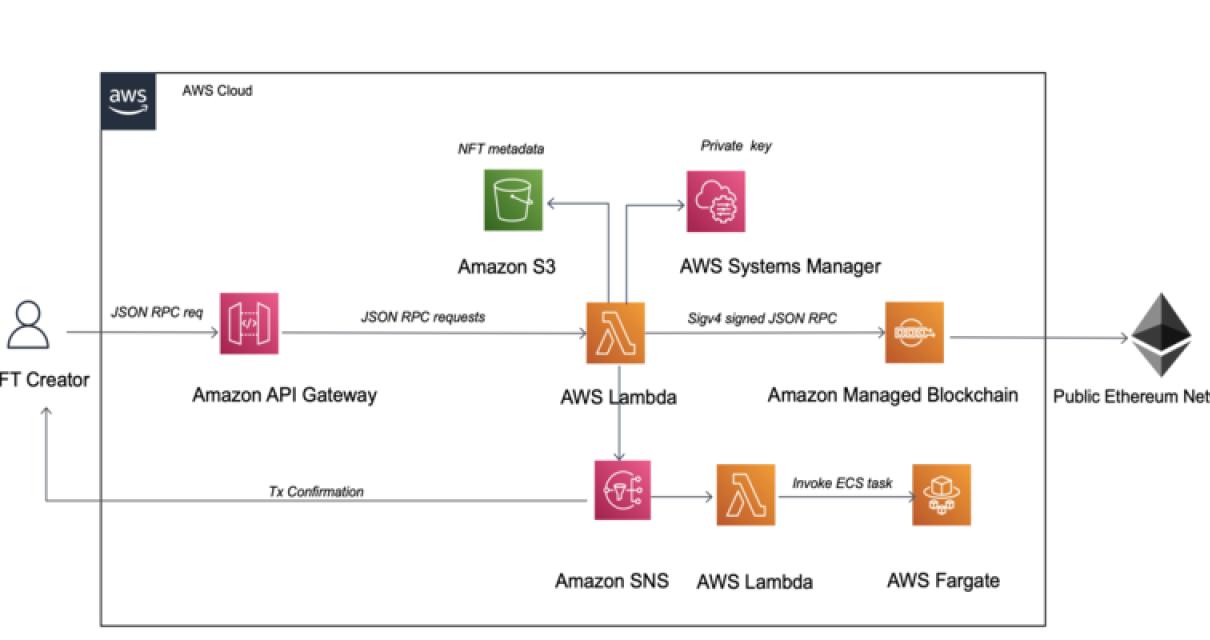
The benefits of deploying a blockchain with scale
A blockchain with scale can provide a number of benefits to businesses. These include:
Increased security: A blockchain with a large network can be more secure than a blockchain with a small network. This is because a large network is more difficult to attack.
A blockchain with a large network can be more secure than a blockchain with a small network. This is because a large network is more difficult to attack. Increased efficiency: A blockchain with a large network can be more efficient than a blockchain with a small network. This is because a large network can handle more transactions.
A blockchain with a large network can be more efficient than a blockchain with a small network. This is because a large network can handle more transactions. Reduced costs: A blockchain with a large network can reduce the costs associated with transferring money, such as fees and commissions.
A blockchain with a large network can reduce the costs associated with transferring money, such as fees and commissions. Increased trust: A blockchain with a large network can increase the trust of businesses and consumers. This is because a large network is more difficult to fake.
A blockchain with a large network can increase the trust of businesses and consumers. This is because a large network is more difficult to fake. Increased transparency: A blockchain with a large network can be more transparent than a blockchain with a small network. This is because a large network is easier to trace.
A blockchain with a large network can be more transparent than a blockchain with a small network. This is because a large network is easier to trace. Increased liquidity: A blockchain with a large network can increase the liquidity of assets. This is because a large network can facilitate the exchange of assets more easily.
A blockchain with a large network can increase the liquidity of assets. This is because a large network can facilitate the exchange of assets more easily. Reduced costs of transactions: A blockchain with a large network can reduce the costs of transactions, such as fees and commissions.
A blockchain with a large network can reduce the costs of transactions, such as fees and commissions. Increased trust: A blockchain with a large network can increase the trust of businesses and consumers. This is because a large network is more difficult to fake.

The challenges of deploying a blockchain with scale
The challenges of deploying a blockchain with scale are similar to those faced by any large-scale distributed system:
1. Scalability: The blockchain must be able to handle an increasing number of transactions as the system grows.
2. Efficient and secure communication: The blockchain must be able to efficiently and securely communicate with all of its nodes.
3. Fault tolerance: The blockchain must be able to continue operating even if some of its nodes fail.
4. Immutability: The blockchain must be able to maintain its data integrity even if some of its nodes fail.
5. Decentralized governance: The blockchain must be able to operate without the need for a central authority.
Tips for deploying a blockchain with scale
When deploying a blockchain with scale, it is important to consider a few key points.
1. Choose a suitable blockchain platform.
There are a number of different blockchain platforms available, each with its own features and benefits. It is important to choose a platform that is capable of scaling up to meet the demands of a large network. Some of the popular blockchain platforms include Ethereum, Bitcoin, and Ripple.
2. Design a suitable network architecture.
A blockchain network must be designed to efficiently handle the large number of transactions that will be conducted on it. The network should be able to handle a high level of traffic and scale accordingly. Some key factors to consider when designing a network architecture include:
· The number of nodes that will be used in the network.
· The speed of the nodes.
· The size of the blocks that will be used in the network.
3. Implement a robust security protocol.
A blockchain network must be designed with security in mind. A robust security protocol should be implemented to protect the network against attacks and data theft. Some key factors to consider when designing a security protocol include:
· The use of cryptography to secure the network.
· The use of nodes to verify transactions.
4. Develop a user interface that is easy to use.
It is important to design an easy-to-use user interface for users of the blockchain network. This will make it easier for them to interact with the network and carry out transactions. Some key factors to consider when developing a user interface include:
· The use of graphics and icons.
· The use of user-friendly language.