Why Blockchain is the Future of Data Management
It is no secret that data management is a critical component of any business. In fact, it is estimated that by 2020, the world will have more data than ever before. However, traditional data management methods are not always able to keep up with this rapid influx of data. This is where blockchain comes in.
Blockchain is a digital ledger technology that allows for secure, transparent and tamper-proof recording of transactions. It was first developed as a way to facilitate the exchange of bitcoin, but it has since been used to manage a variety of other transactions.
One of the biggest benefits of using blockchain is that it eliminates the need for a third party to manage and control the data. This is because blockchain is decentralized, meaning that it is not controlled by any one entity. This makes it immune to the threats and attacks that can occur when data is stored in centralized locations.
Overall, blockchain is a powerful tool that can be used to manage data more securely and efficiently. As the world becomes increasingly reliant on data, it is important that businesses find ways to leverage this technology to its fullest potential.
How Blockchain Can Help You Secure Your Online Identity
Many people use online identities to perform various activities such as shopping, banking, and so on. However, these activities can be compromised if your online identity is stolen or exposed.
Blockchain technology can help you secure your online identity by providing a tamper-proof record of your online activities. This record can be accessed by you and others only if you permission is given. In addition, blockchain can help you track the origin and progression of your online identity. This can help you protect yourself from identity theft and other cybercrimes.

Why Blockchain just might be the next big thing in business
Cryptocurrencies like Bitcoin are built on blockchain technology, which is a distributed database that allows for secure, transparent and tamper-proof transactions. Blockchain is already being used in a number of different industries, including banking, healthcare, supply chain management and even the voting process.
There are a number of reasons why blockchain might be the next big thing in business. First, it is secure and efficient. Second, it is transparent and allows for easy tracking of transactions. Finally, it is tamper-proof, meaning that it is difficult for hackers to tamper with the data.
If you are looking for a way to increase security and transparency in your business, blockchain may be the solution you are looking for.
How learning blockchain can benefit your career
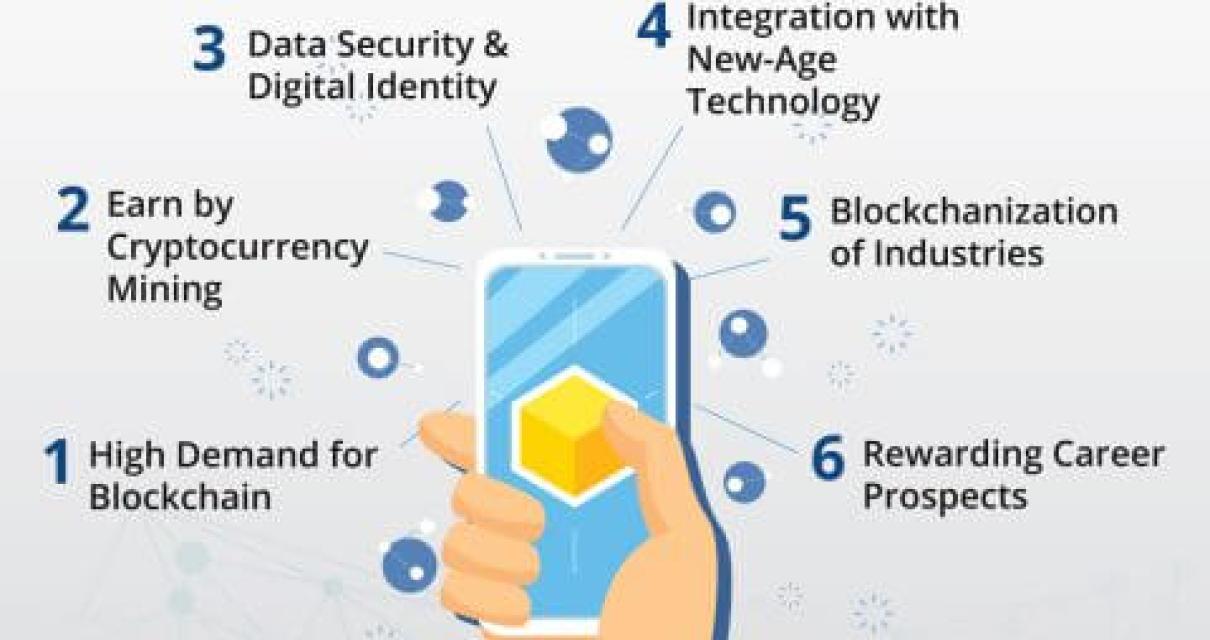
If you are looking for a career in blockchain, there are a few things to keep in mind. First, blockchain technology is still in its early stages, so there is a lot of potential for growth. Second, blockchain is an open-source platform, so you can learn how to code it yourself or use platforms like Ethereum to create your own decentralized applications (dapps). Finally, because blockchain is a new technology, there is a lot of opportunity to be involved in its development.
What is blockchain and why should you care?
Blockchain is a digital ledger of all cryptocurrency transactions. It is constantly growing as "completed" blocks are added to it with a new set of recordings. Each block contains a cryptographic hash of the previous block, a timestamp, and transaction data. Bitcoin, the first and most well-known implementation of blockchain technology, uses this data to manage its own transactions and to establish a trust network. Other applications of blockchain technology include creating decentralized applications and smart contracts. Because blockchain is decentralized, it allows for transparent, secure, and tamper-proof recording of transactions. As such, it has the potential to revolutionize a variety of industries.

How blockchain technology can help fight cybercrime
Blockchain technology can help deter cybercrime by creating a tamper-proof ledger of all transactions. This ledger can be used to track the ownership of digital assets, and it can be difficult for criminals to falsify records. Additionally, blockchain technology can help identify and track malicious actors, which can help authorities investigate and prosecute crimes.
The benefits of blockchain for students and educators
In a world where more and more people are relying on digital technologies, blockchain is one of the most promising new technologies. Blockchain is a distributed ledger system that can be used to create a transparent and secure record of transactions. This system can be used to track the ownership of assets, manage transactions, and conduct business.
There are a number of benefits that students and educators can take advantage of when using blockchain technology. These benefits include:
1. Security: Blockchain is a highly secure system because it uses a decentralized network. This network makes it difficult for anyone to tamper with the data.
2. Transparency: Blockchain is a transparent system, which means that everyone can access the data. This makes it easier for students to understand how the system works and to ensure that transactions are conducted correctly.
3. Efficiency: Blockchain is an efficient system because it allows for quick and easy transactions. This makes it ideal for use in business settings.
4. Cost: Blockchain technology is relatively cost effective compared to other digital technologies. This makes it an ideal technology for use in business settings.
5. Trust: Blockchain technology is based on trust, which is a valuable commodity in today’s society. This system allows users to trust that the data is being handled correctly.
Why blockchain is good for society
One of the big benefits to blockchain technology is that it allows for a secure and transparent ledger of all transactions. This could have a number of benefits for society, including:
- Reducing corruption and fraud: With a blockchain-based system, transactions can be tracked and recorded in a tamper-proof manner, making it harder for criminals to commit fraud or steal money.
- Enhancing transparency and accountability: A blockchain-based system makes it easier to track the whereabouts of assets and to ensure that people are being treated fairly.
- Improving security: By using a blockchain-based system, businesses can reduce the risk of cyber-attacks, ensuring that their data is safe and secure.
- Boosting economies of scale: A blockchain-based system can help to increase efficiency and reduce costs, as it allows multiple parties to share information and resources without having to trust each other.
How blockchain can help to build a better world
Blockchain technology can help to build a better world by providing a secure and transparent platform for transactions. It can also help to reduce the cost and time involved in transactions, and to improve the accuracy and security of data.